
Hi. So I've been away for a couple of weeks. I was up in the remote highlands of Cambodia's Mondulkiri province, where it's cold, quiet, and surrounded by mountains, jungles, and elephants.
It was so relaxing that coming back to the city has made me unnecessarily toxic and grumpy. Imagine spending a few days surrounded byone of mother nature's greatest creations, only to return to traffic, emails, deadlines, and the unfortunate realization that I'm an adult with a job and people to manage.
I also trekked through remote jungle, mountains, waterfalls, streams, and rocks for 17km in a pair of Crocs with the indigenous people, by the way. I survived and I don't recommend it. I did it because I forgot to bring proper trekking shoes. That's it, No deeper meaning.
Anyway, while I haven't been completely off the internet, I've been reading a lot of content about people building and shipping things aggressively with AI, then immediately labeling them "production-grade" and "battle-tested."
And maybe it's because I just spent 17km learning what the word "survived" actually feels like, but...
AI tools have made it faster than ever to go from an idea to a working app, and honestly, that's a great thing. Having more people building things is a good thing.
And if you know me, you know I'm not here to do the whole "real engineers write everything by hand" bit. Sure, that mindset is still somewhat embedded in my identity as a developer, but I try to keep an open mind. Tools change, the way we build changes, and I'm perfectly fine with that.
But there's a word being attached to a lot of these projects that implies a level of reliability you simply can't get from "I shipped it and a few people liked it."
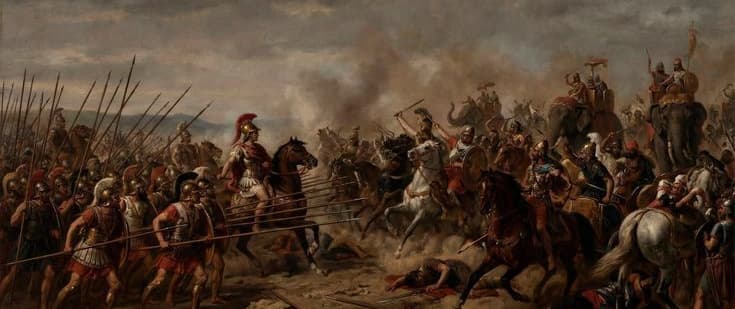
These aren't just your Uncle Joe's enthusiastic adjectives that you throw around because something looks cool, not a vibe. They're empirical claims about what a system has survived — and surviving a demo is not the same as surviving Tuesday.
"Complete, functional, and resilient" means: The features work as specified It handles the errors you thought to handle (this clause is doing a lot of work) It doesn't crash under normal use It has decent test coverage It looks done in a demo
This is a real, valuable milestone and with modern tools, they get you here faster than ever. Celebrate it. Put it on the README. Just maybe don't reach for the war metaphors yet.
"Production-grade" and "battle-tested" are a different axis entirely. Not "more polished" or "fewer bugs." They're about exposure to conditions you can't fully anticipate or simulate.
Resilient code handles the errors you anticipated. Battle-tested code has lived through the ones nobody put on it, a dependency that silently returns malformed data instead of erroring, clock skew between servers, a queue backing up 10,000x during a spike, a connection pool exhausted by one slow query three services upstream.
Nobody designs for "the third-party API started returning 200 with garbage in it." You find that out the hard way, usually at an hour that makes the logs feel personal. Observability under duress
When something breaks at 3 am, can an on-call engineer figure out what's happening from logs, metrics, and traces or does someone have to SSH in and guess? Which is a spiritual experience, btw. not an architecture.
Logging that satisfies a code review and logging that lets you debug a live incident are not the same thing. You usually can't tell which one you have until the incident happens. The incident is happy to tell you. Graceful degradation, not collapse
When a downstream service dies, does your app fall over completely, or degrade — cached data, reduced functionality, queued retries? Designing for partial failure is invisible work. Almost nobody does it until they've been burned by not doing it. pretty expensive curriculum if you ask me. Concurrency and scale edge cases
Imagine a payment endpoint that checks whether a transaction has already been processed before crediting an account. Looks safe enough.